
Sorong, Southwest Papua — Sulaiman Mubalen, a member of the Papua Southwest Provincial People’s Assembly (MRP), has raised concerns about disparities in public services in Maladumes District, Sorong City, Southwest Papua Province.
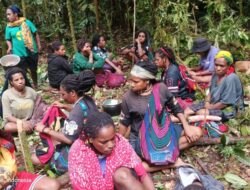
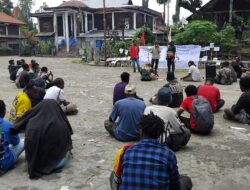
The concerns were raised by residents during a meeting with Mr Mubalen on Thursday, August 27, where they outlined issues affecting their daily lives and questioned whether Papua’s Special Autonomy (Otsus) funding was being properly planned, allocated and spent to address community needs at district and village level.
Mr Mubalen said the concerns were not simply requests for government assistance, but involved basic needs and the future of Indigenous Papuans.
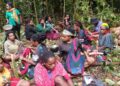

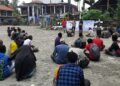
“People have shared the problems they face in their daily lives, and these issues must be taken seriously by the government. People should not only be listened to when officials are collecting community feedback, only for there to be no follow-up afterwards,” Mr Mubalen said.
One issue raised was the availability of markets for Papuan women traders. Residents called on the government not only to provide spaces for them to sell their goods, but also to protect economic opportunities for Indigenous Papuans.
Mr Mubalen said the government needed clear regulations to ensure local products such as betel nut, sago, taro, sweet potatoes and other traditional foods remained a strong source of income for Papuan communities.
Residents also called for a regional regulation limiting the sale of betel nut and other local foods, arguing that these products should not increasingly be sold by non-Papuans.
Mr Mubalen said the issue needed to be taken seriously by local authorities.
He said the proposal was not intended to prevent particular groups from earning a living, but to ensure Indigenous Papuan business operators received appropriate protection and support, particularly those who rely on locally grown food to support their families.
“If non-Papuans come to trade, there should be regulations. Economic opportunities should not simply be left completely open without any consideration for Indigenous Papuans. Papuan local food should be a source of economic strength for Papuan people,” he said.
Another issue raised at the meeting was the implementation of the government’s Free Nutritious Meals (MBG) program.
Residents said the program had not been distributed evenly among schoolchildren in Maladumes.
Mr Mubalen said some schoolchildren in the district, most of whom are Indigenous Papuans, had not yet benefited from the program.
He said the government should not focus only on implementing the program in central urban areas.
“Children in the districts deserve the same attention,” he said.
The government was urged to review the program’s implementation to address disparities in services between children attending schools in the city centre and those in district areas.
“The government needs to go into the districts and see the conditions children are facing. If there are problems with distribution, budgeting or implementation, they need to be fixed immediately,” Mr Mubalen said.
Residents also raised concerns about transport for schoolchildren and called for the provision of school buses.
They said reliable transport was important for ensuring children could access education safely and affordably.
” If transport is becoming an obstacle, the government needs to step in and find a solution,” Mr Mubalen said.
Mr Mubalen also called for greater support for young people in Maladumes District.
He said many young people were interested in sports, particularly football, but a lack of facilities was preventing their potential from developing.
“If the district government cannot build major facilities yet, at least provide footballs and equipment, or build a decent playing field,” he said.
Mr Mubalen said sport could play an important role in protecting young people from various negative influences.
He said the concerns raised by Maladumes residents should be incorporated into development planning and budgeting, including decisions about the use of Special Autonomy funding.
He called on the government to ensure budget policies directly addressed the needs of Indigenous communities and Indigenous Papuans.
Mr Mubalen also urged the Sorong City Government and the Southwest Papua Provincial Government not to focus development solely on central urban areas.
He said government performance should also be measured by its ability to reach communities that feel they have not received fair access to public services.
He urged local governments to review policies that had failed to address the practical needs of Indigenous communities.
Meanwhile, Maladumes District Head Antonia Iek said the concerns raised by residents were important because governments needed direct information from communities to understand the problems they were actually experiencing.
“These community concerns need to be taken seriously. What residents have raised reflects the conditions they face in their daily lives. We hope the government will follow up,” Ms Iek said.
She said coordination between the district, city and provincial governments and Indigenous community representative institutions was important to ensure issues at district level could be addressed more effectively.
“The government needs to see the conditions of communities directly so that the programs it develops genuinely reflect the needs on the ground,” she said. (*)