Jayapura, Jubi — Pastor Yance Douw of the Jayapura Diocese says dialogue, access to information, solidarity and a better understanding of Papua’s history are important to addressing the ongoing conflict and humanitarian issues in the region.
He said churches had an important role in equipping and empowering their congregations so peace and humanitarian initiatives could continue in a sustainable way.
He said young people needed to be prepared to carry forward efforts to promote peace, humanitarian protection, environmental protection and religious tolerance.

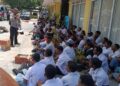
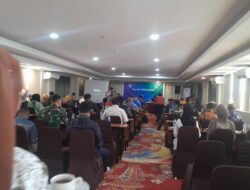
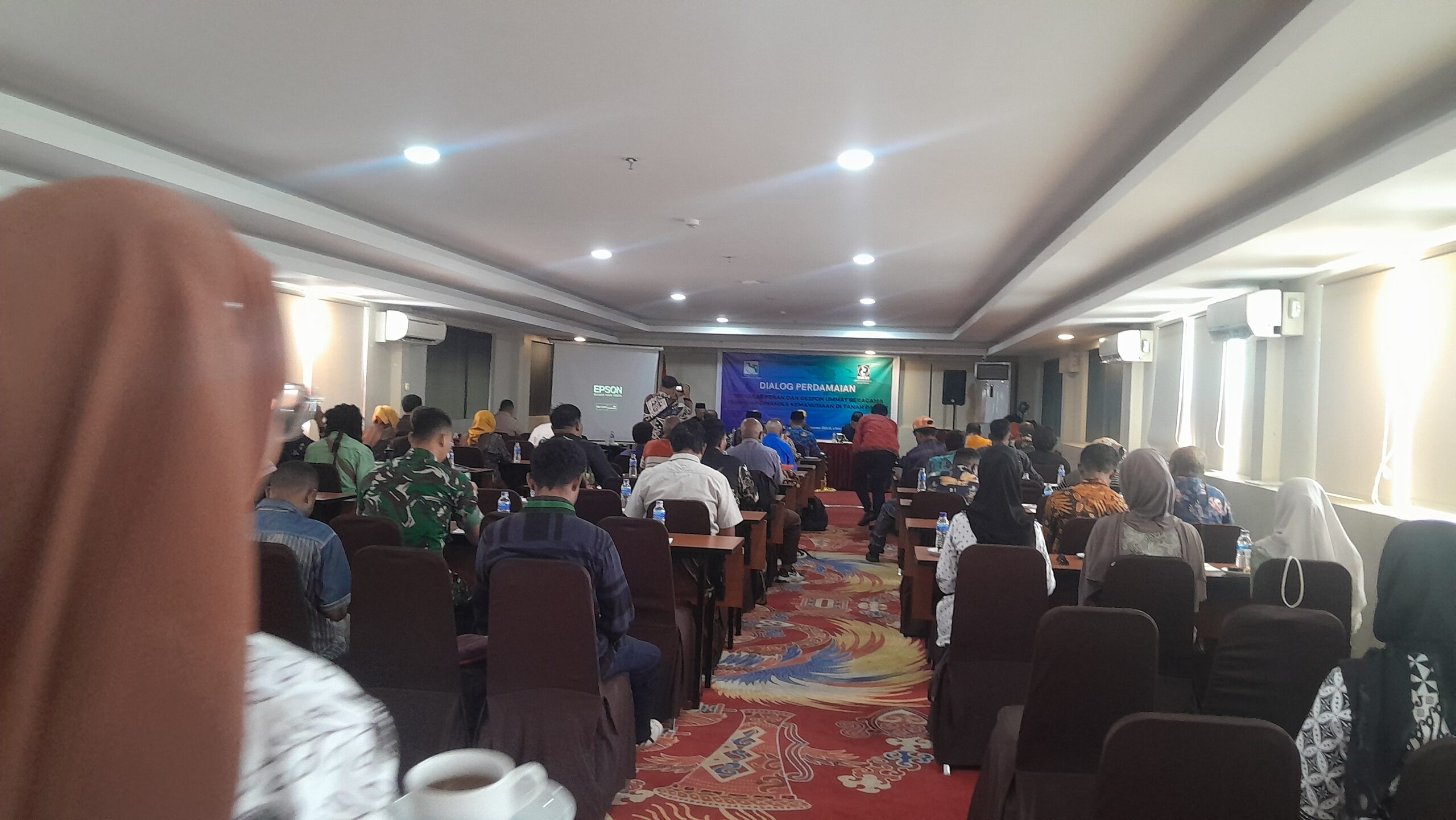
Pastor Douw made the comments during a public dialogue titled “Assessing the Role and Response of Religious Communities to Humanitarian Dynamics and Peace Challenges in Papua”, organised by the Papua Muslim Council in Kotaraja, Abepura District, Jayapura, on Thursday (17/9/2026).
“What is needed is to equip our communities with understanding, empower and motivate them, and provide the support needed so the peace movement can move forward effectively,” Pastor Douw said.
He said sustaining peace initiatives also required support from various sectors, including the government.
The government, he said, should respond positively and support the work of churches and other religious organisations in carrying out humanitarian activities.
Pastor Douw said the church regarded people affected by violence as part of its concern, including both Indigenous Papuans and non-Papuans living in Papua.
He said the suffering experienced by Indigenous and non-Indigenous people who had become victims of violence was also a wound felt by the church and its leaders.
He said the church had several ways of responding to violence. As well as praying for victims, the church sought reliable and accurate information before deciding what action to take.
Once information had been verified, Pastor Douw said the church could provide support to victims, work with other organisations on advocacy, or monitor developments depending on the circumstances.
He said peace required networks of communication and dialogue, both within religious communities and between different faiths.
Religious leaders, he said, could build communication with various groups to create opportunities for dialogue.
He said meetings involving religious leaders, government officials, security forces and groups involved in the conflict were important for creating space for peaceful solutions.
Dialogue, he said, needed to be based on respect for human dignity. It also needed to be accompanied by solidarity because justice and truth were difficult to pursue without it.
“By standing together to pursue justice and truth, peace can be achieved because that process involves respecting human dignity,” he said.
Meanwhile, historian Dr Bernarda Meteray said a better understanding of Papua’s history should be an important part of efforts to resolve the conflict in the region.
Meteray said Papua’s history had often been a sensitive subject to discuss. Different views about Papua’s integration into Indonesia, she said, needed to be discussed openly so the roots of the conflict could be better understood.
“If we want to understand the conflict, we have to start with history,” Meteray said.
She said physical development alone was not enough to address the fundamental issues facing Papuan communities.
She pointed to the continuing conflict despite various development programs as evidence that development had not resolved the underlying problems.
“Development is needed by everyone in Papua. But development has not addressed the problems because the conflict continues,” she said.
Meteray said the government needed to accept criticism from Indigenous Papuans as part of the process of developing the region.
Criticism, she said, should not always be viewed as a threat, but could instead provide useful input for improving development policies.
She said policymakers should seek to understand Papuan communities before policies were developed, rather than the other way around.
That understanding, Meteray said, required time because Papuan communities had different characteristics, historical experiences and social and cultural contexts.
Meteray also highlighted the importance of helping young people understand Papua’s history.
She said young people received accounts of Papua’s history from their families and communities. Differences between family accounts and information obtained from other sources could influence how young people understood the conflict.
She said historical resources were therefore needed to help young people develop a more comprehensive understanding of Papua’s history.
“The state has not yet produced a good standard history book that generations can understand about this long historical journey,” she said.
Meteray said peacebuilding was not solely the responsibility of the government. All sections of society, including religious and community leaders, had a role to play in building peace in Papua.
“We are all responsible for building peace in Papua and ending conflict, with dialogue as the best path towards peace in Papua,” she said.
Forums that bring together different sections of society were particularly important while Papua continued to face humanitarian concerns and conflict.
The involvement of religious communities in responding to humanitarian issues in Papua could also form an important part of efforts to build peace through dialogue. (*)