Jayapura, Jubi – Papuan political figure Laurenzus Kadepa says differences in perspectives have made it difficult to find the best solution to the Papua issue, contributing to a breakdown in communication between the central government and Papuan communities.
Kadepa, who served on the Papua Legislative Council’s committee overseeing government, politics, law, human rights and security from 2014 to 2024, said the central government and Papuan communities had different views on how to address the root causes of problems in the region.
He said the central government had focused more on development, welfare, special autonomy, security, law enforcement and maintaining Indonesia’s territorial integrity.

Papuan communities, meanwhile, had placed greater emphasis on alleged human rights violations, the protection of Indigenous peoples, history, identity, justice and political space.
“When human rights issues and conflict are addressed only through physical development or a security approach, people feel that the root causes have not been resolved,” Kadepa said in a message on Sunday (27/9/2026).
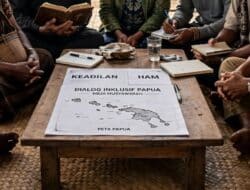
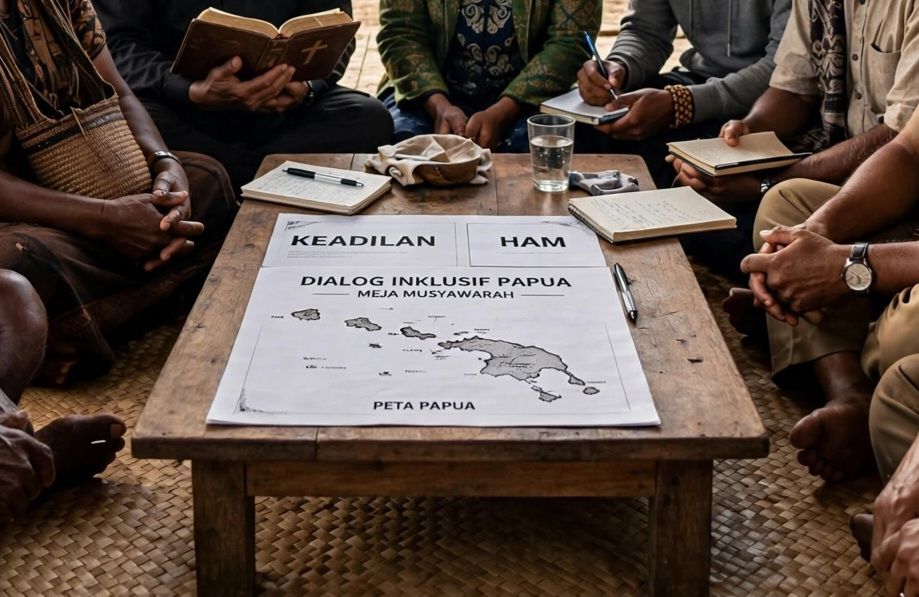
He said the central government needed to establish inclusive and dignified dialogue with Papuan communities and other stakeholders in the region.
The dialogue should involve the Papuan People’s Councils (MRP) in the six provinces of Papua, customary leaders, churches, women, young people, academics, civil society and other elements of Papuan society.
“Every alleged violation of the law and human rights must be addressed transparently, fairly and accountably. Whoever is responsible must be investigated and held accountable through the proper mechanisms,” he said.
According to Kadepa, dialogue was not a threat to the state. Rather, it was a way to build trust, because development in Papua could not be limited to physical infrastructure.
“Papua must be heard, respected, protected and treated fairly. Humanity must be the common ground,” he said.
Kadepa also said development in Papua should put Papuan people at its centre.
“Protecting the rights of Indigenous Papuans, customary land, education, healthcare and the economy, while ensuring that special autonomy funds are genuinely felt by the community,” he said. (*)