Merauke, Jubi – Authorities in Indonesia’s South Papua province have intercepted an attempt to smuggle 115 wild parrot eggs from Merauke to Surabaya in East Java.
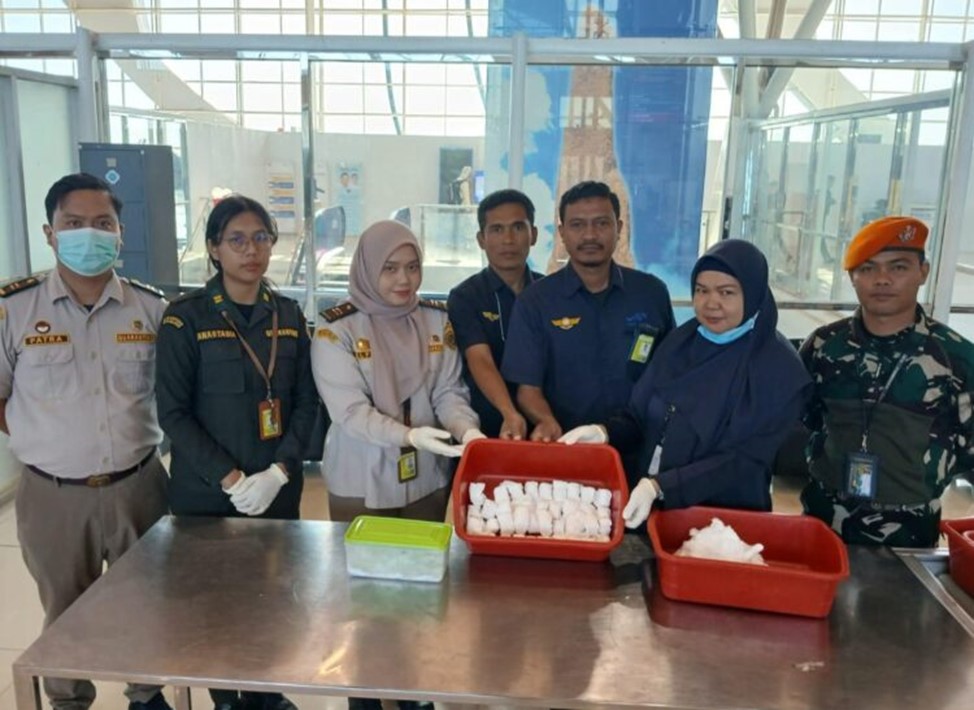
The eggs were discovered by officers from the South Papua Animal, Fish and Plant Quarantine Agency (BKHIT) and aviation security personnel at Mopah Airport in Merauke on 20 to 23 August 2026.



The first discovery was made after an X-ray scan detected suspicious items in a passenger’s luggage. Officers found Officers found 38 eggs packed in cotton and tissue paper.
Three days later, another 77 eggs were found inside two boxes using a similar method of packaging.
Based on the inspection and information provided by the passengers, the egg were being transported from Merauke to Surabaya to be handed over to another party.
The eggs were seized by BKHIT South Papua for further action under Indonesian regulations.
The agency’s head, Irsan Nuhantoro, said the discovery indicated a change in the way wild parrots were being smuggled out of the region.
“Previously, they transported live birds. Now they are smuggling the eggs. This is a new method that we need to be alert to,” Irsan told reporters in Merauke on Wednesday (7/20/2026).
He said parrot species were not permitted to be transported out of Papua, making the new method of concern for authorities monitoring wildfire trafficking in South Papua.
Of the 115 eggs seized, 35 have hatched. The hatchlings are alive and are currently being cared for by authorities.
“The ones that have hatched are alive. We are trying to protect and care for them, and when the time comes, we will release them back into the wild,” Irsan said.
The remaining eggs are still being monitored, as some may still be viable.
Officials will continue observing them until the expected hatching period has passed before deciding what to do with the eggs.
“There are still some that may develop, so we will wait until they hatch, or until it is clear that the eggs can no longer hatch,” Irsan said.
He said the eggs did non come from a breeding facility. Instead, information gathered by authorities indicated they had been collected from the wild by members of the community and then handed to collectors before being transported out of Papua.
The incubation period for parrot eggs is estimated to be between 35-40 days, prompting officials to continue monitoring the remaining eggs.
Any eggs that rot, die or fail to develop will be documented in an official report.
BKHIT South Papua will also coordinate with the Natural Resources Conservation Agency (KSDA) to determine the next steps for the unhatched eggs and the rescued hatchlings.
The newly hatched parrots are currently being kept at Kagor, where they are receiving care before being released back into their natural habitat.
Irsan said authorities would continue strengthening monitoring of wildlife and wildlife products, particularly at points of exit from South Papua.
Quarantine is not only about preventing the spread of pests and diseases. It is also part of our efforts to protect South Papua’s biodiversity so it can be preserved and passed on to future generations,” he said.
He credited the successful interception to cooperation between quarantine officers and aviation security personnel at Mopah Airport, who identified the suspicious items during passenger screening.(*)