Jayapura, Jubi – The documentary Pesta Babi (Pig Feast) – Colonialism in Our Time was screened 17 times across several European countries during an advocacy tour held from 4 September to 14 October 2026.
The screenings aimed to raise international awareness of human rights, environmental issues and the challenges facing Indigenous communities in Papua.
The tour involved five Papuan human rights defenders who visited the Netherlands, Belgium, Switzerland, Germany, France, England, Northen Ireland, and Ireland.
In addition to introducing international audiences to the situation in Papua, the tour aimed to strengthen and the advocacy skills of young Papuan activists.
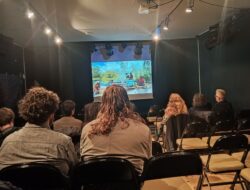
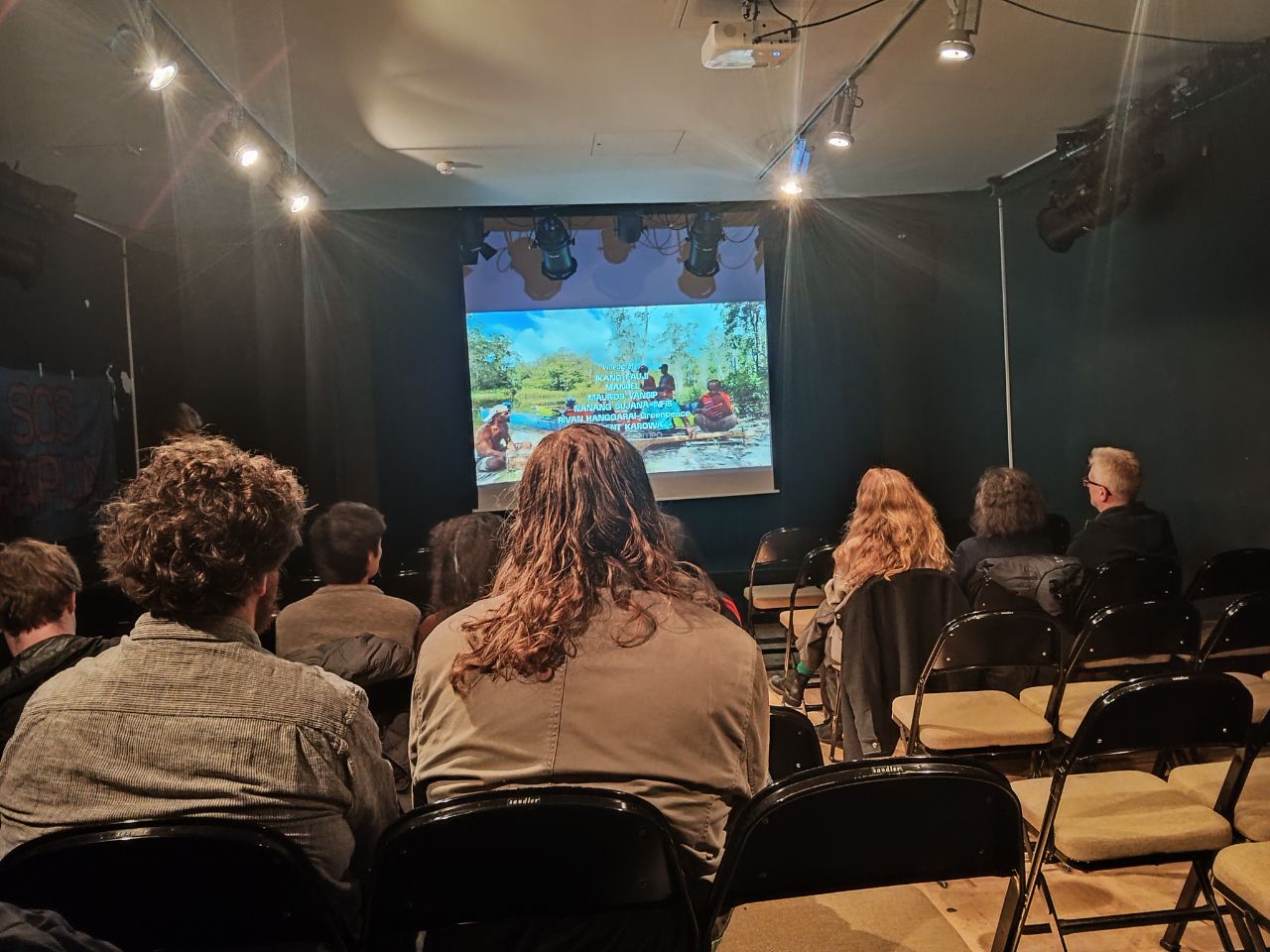
The documentary received positive responses at several venues. In Deventer, the Netherlands, around 100 people attended a screening.
A similar event was held in Brussels, Belgium, where some audience members said they were surprised by what they learned and grateful that the film had broadened their understanding of the situation in Papua.
The screenings were followed by discussions and question-and-answer sessions about the issues raised in the documentary. Some audience members also asked how they could support Papuan communities.
In Geneva, Switzerland, the film was screened on 25 September, attracting around 50 people. Two days later, on 27 September, it was shown in Sheffield, England, to an audience of about 30.
Audiences at both screenings responded positively, with some saying the documentary had given them a deeper understanding of Papua for the first time.
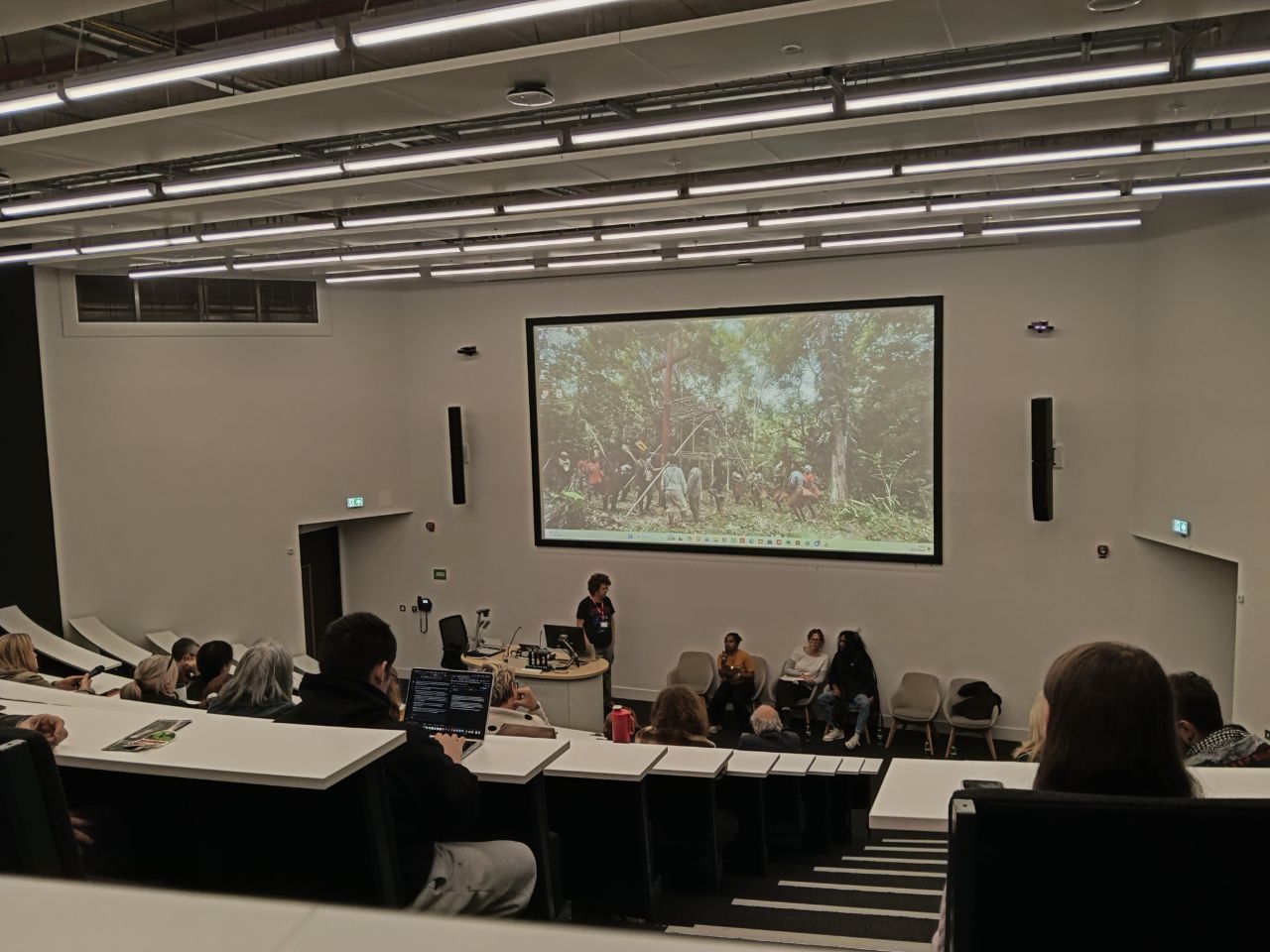
On 28 September, the film was screened at St Cross College, University of Oxford, England, with 26 people attending.
The event opened with a Wor, a traditional ceremony and form of song.
Wor carries cultural values that connect people with the Creator, the natural world and their surrounding environment. The traditional song was performed at each screening of Pesta Babi (Pig Feast) throughout the tour.
Some audience members said the film was their first opportunity to learn abour the situation in Papua. Others praised its distinctive approach to telling stories about the region.
After the Oxford screening, audience members wrote messages solidarity and attached them to an installation shaped like a tifa, a traditional drum known as kandara in the Malind language. The installation served as a symbol of support for Papuan communities.
The following day, on 29 September, the documentary was screened at Queen Mary University of London, attracting around 33 people.
Some audience members said they were shocked by the situation depicted in the film. The event continued with a discussion and question-and-answer session covering the documentary, conditions facing Papuan communities and the broader issues underlying its story.
In October, the tour continued to Northern Ireland. On 6 October, the film was screened at Ulster University in Belfast, attracting more than 90 people, including students, academics and members of the public.
Most attendees were young people. For some, the screening was their first opportunity to learn about Papua, particularly issues affecting Indigenous communities, conflict and the social challenges facing people in the region.
On 7 October, the documentary was screened at the Museum of Free Derry in Northern Ireland, with around 10 people attending.
Some viewers said they were surprised to learn about Papua’s situation through the film, including conflict-related displacement and large-scale dispossession of customary land, particularly in South Papua province.
Audience members also expressed their appreciation for the screening being held in Derry.
For many, the event provided an opportunity to learn about Papua and better understand the challenges facing its people, while opening space for direct discussion of Papua issues.
Messages of solidarity were another important part of the advocacy tour, alongside the screenings and discussions. (*)
Author

About The Author