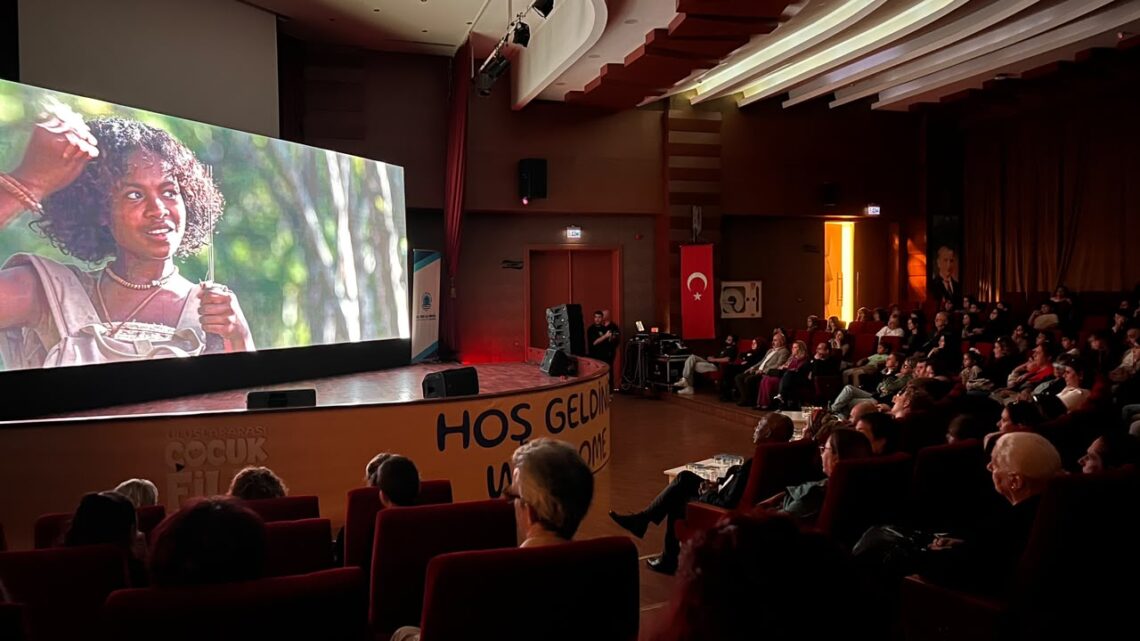
Jayapura, Jubi – Indonesian children’s film Teman Tegar: Maira – Whisper from Papua has won the Global Peace and Friendship award at the Universal Kids Film Festival 2026.
Announced on Monday, October 12, the award marks a milestone for the film, directed by Anggi Frisca, as it seeks to broaden conversations about peace, respect for Indigenous communities and environmental sustainability.
Produced by PT Aksa Bumi Langir, the film explores the relationship between Indigenous communities, forests and the future of Papua’s children. Following the award, the film is scheduled to screen in Belgium and Luxembourg from November 2 to 7, 2026.
Through the friendship between Tegar and Maira, the film portrays Papua’s forests as more than landscapes rich in biodiversity. They are also places of livelihood, traditional knowledge, cultural identity and significance for future generations.
For communities whose lives are closely connected to forests, the relationship with nature involves not only the use of natural resources but also the responsibility to protect them for future generations.
This is one of the film’s central messages, conveyed through the experiences of its young characters.
Frisca said environmental issues could not be separated from the lives of communities that depend on and care for their ancestral lands.
She said forest destruction also threatened the knowledge, livelihoods and future of children growing up in these environment.
“The forest is Mother is an important theme running through this film. There is a relationship of caring and being cared for. When forests are damaged, the lives, knowledge and future children who grow up alongside them are also threatened,” Frisca said.
Through a story centred on children, the film encourages audiences to understand that protecting nature also means respecting the communities who live alongside it, including their right to determine the future of their own lands.
Highlighting traditional knowledge and the voices of Papuan children
The film also explores traditional knowledge developed through generations of interaction between communities and their natural environment.
This knowledge includes how to use natural resources, understand the limits of their use and maintain ecological balance to sustain life.
Though Maria’s character, the film shows that learning does not take a place only in classroom. Families, the environment and everyday experiences also shape how children understand nature and their place in the world.
Frisca said traditional knowledge should not be treated as uniform across Indigenous communities, as each has its own experiences and knowledge systems.
She said respecting Indigenous knowledge meant listening to the people who held that knowledge and respecting their choices as they navigated change.
The film also seeks to portray Papua through the experiences of the people who live there, rather than focusing solely on its scenic landscapes.
Maira is depicted as a child with her own home, relationships, knowledge, aspirations and courage.
“For me, the measure of success is whether, after watching the film, people remember Maira’s voice and struggles as well as the scenery,” Frisca said.
She added that film was one way to learn about Papua but could not represent the full diversity of its communities and experiences.
Listening to the people whose stories and lands are portrayed is therefore an important part of a filmmaker’s responsibility, she said.
Children’s films open conversations about the environment
Frisca said children’s films could introduce environmental issues and the lives of Indigenous communities through emotional experiences familiar to young audiences, including friendship, loss, fear and the desire to protect what they love.
The approach aims to encourage children to ask broader questions about the people who live in a particular region, the changes affecting their homes and the importance of ensuring their voices are heard when decisions about their future are made.
“Film cannot explain the entire history and all the pressures faced by Indigenous communities. But it can foster empathy and raise questions: who lives there, what is happening to them, and their voices being heard?” Frisca said.
She hopes the film will prompt discussions in schools, families and communities, turning the viewing experience into an opportunity to learn about the environment, respect between cultures and responsibility towards others.
Screening in Belgium and Luxembourg
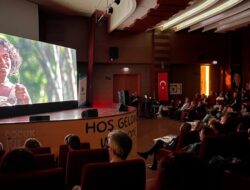
The film is scheduled to screen in Belgium and Luxembourg from November 2 to 7, 2026, following its recognition at the Universal Kids Film Festival.
The international screening are expected to introduce audiences to the experiences of Papuan children and encourage further discussion about Indigenous communities, environmental protection and the future of their ancestral lands.
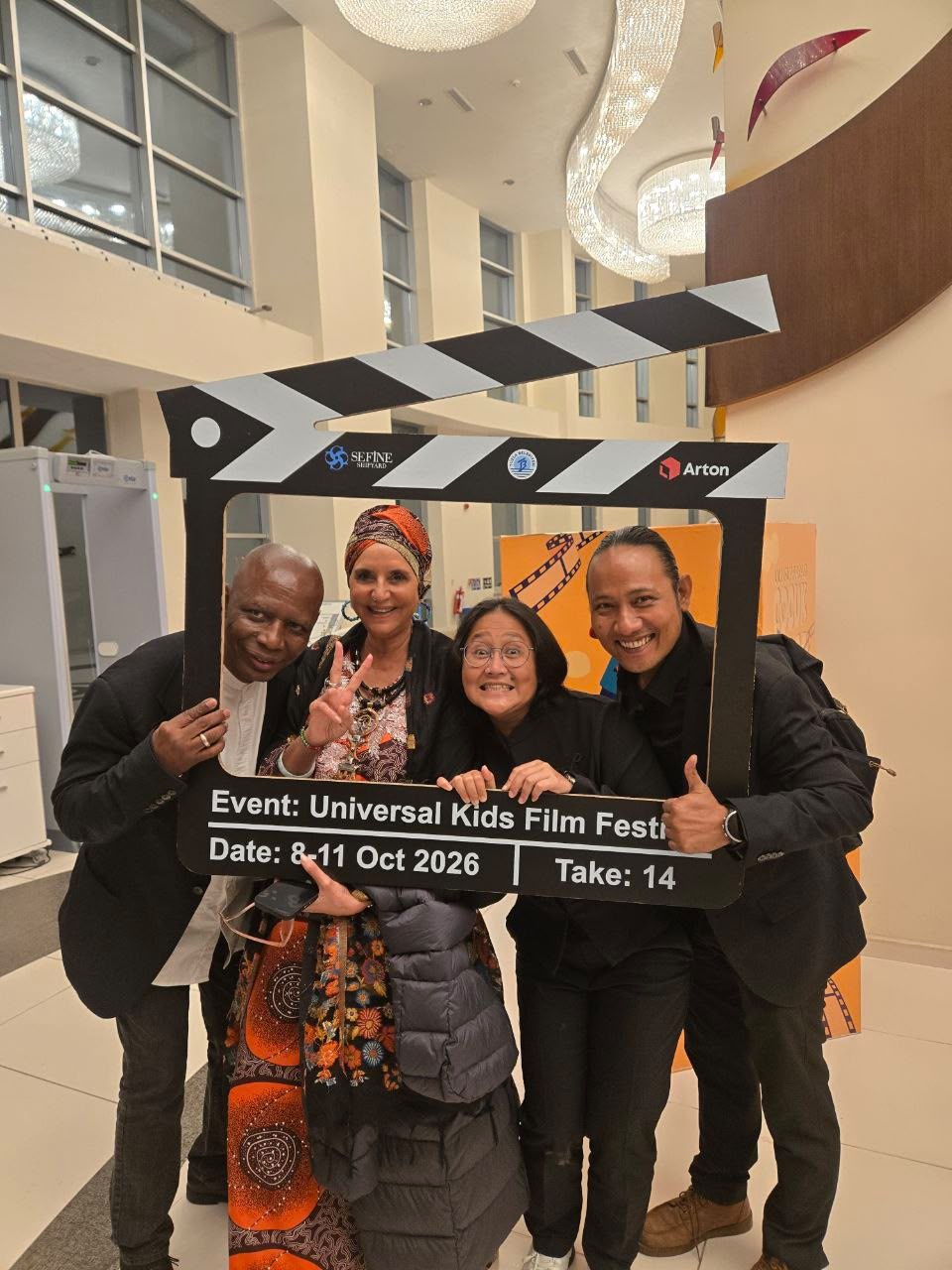
Following its award at the Universal Kids Film Festival 2026, Teman Tegar: Maira – Whisper from Papua will have its European premiere at Filem’On International Film Festival for Young Audiences.
The film has been officially selected for the CIFEJ Award feature film category. It is scheduled to screen in Ghent and at Bozar in Brussels on November 3.
As part of the European screenings, Teman Tegar is scheduled to screen at Cinema Flagey in Brussels on November 2, through the Embassy of the Republic of Indonesia. Maira – Whispers from Papua will also screen at Utopia Cinema in Luxembourg on November 7.
The international screenings will bring the stories of Papuan children to young audiences outside Indonesia and open conversations about their friendship, the relationship between people and nature, and respect for cultural diversity.
Frisca hopes the film’s recognition will go beyond awards and create more opportunities for Papuan children to share their own stories, experiences and aspirations.
“Their future needs to be discussed together with them,” she said.
Through the stories of Tegar and Maira, the film invites audiences to see forests as more than ecological assets, highlighting their connection to the lives, knowledge and future of the communities that grow alongside them. (*)
Author

About The Author